Editor's Choice
Loading posts…
Special Features
Loading posts…

Stories and resources that guide people to fulfill their God-given potential.
Touching Lives, Making Impacts
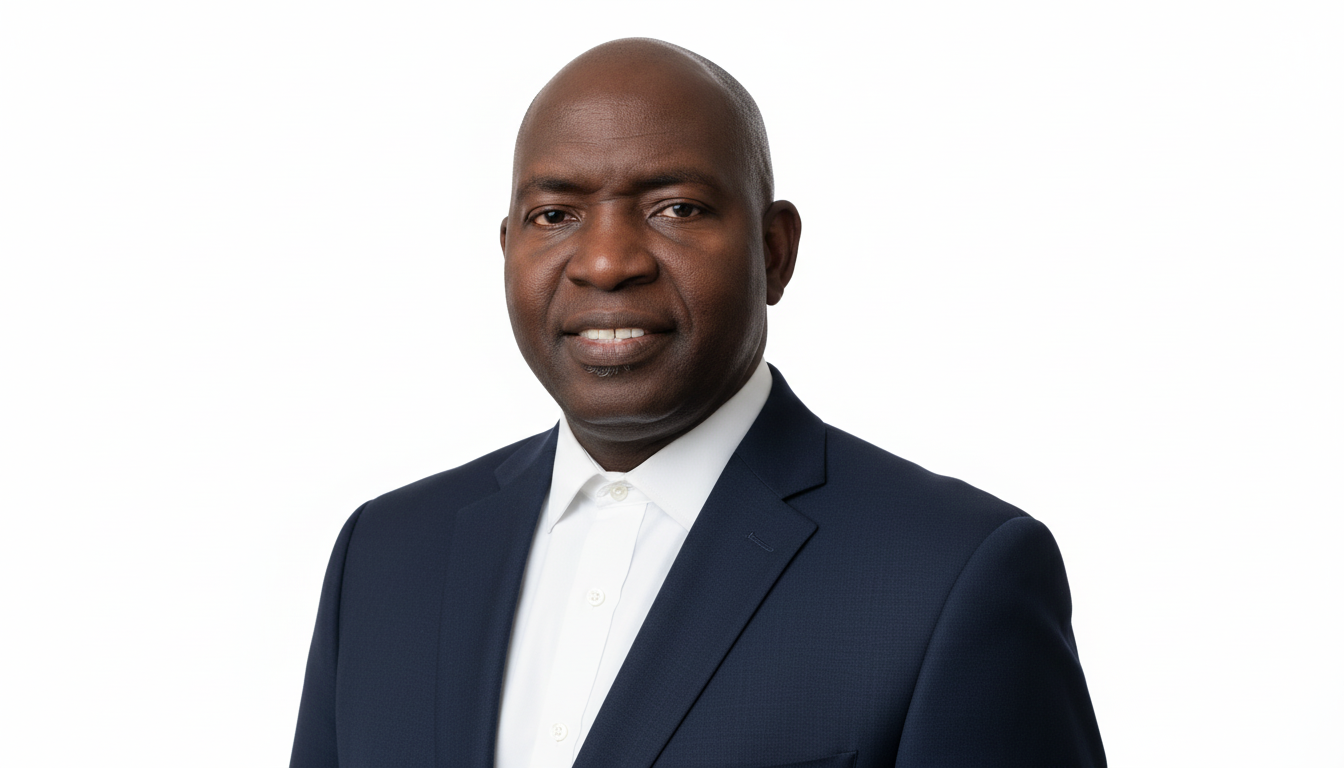
After years of working with young people, Emmanuel Olu Falodun founded The Top Achievers network — a platform built to inspire, equip, and raise a new generation of leaders.
The platform grew to host real success stories, practical books, and a growing assembly of mentors committed to helping members reach their God-given potential.
The Top Achievers Radio went live as a dedicated streaming platform — delivering faith, leadership, and empowerment content to listeners across Africa, Europe, and America.
The Top Achievers now reaches members across continents through articles, books, an online radio station, and a growing network of leaders pursuing excellence.
From student affairs to leadership development, every piece of content published carries one goal — to help people become the best they were created to be.
The Top Achievers is a platform dedicated to inspiring and equipping people to become the best they were created to be. Through real success stories, practical articles, leadership resources, and a supportive community, we help readers navigate life's challenges and pursue genuine excellence.
Founded by Emmanuel Olu Falodun in 2010, the platform covers faith, leadership, career guidance, student affairs, and answers to tough life questions. Whether you're a student, a professional, or a leader looking for direction — the content here is for you.


We cover achievers' stories, career guidance, student affairs, leadership, inspiring articles, and answers to tough life issues. The content is drawn from real lives and backed by experienced mentors and writers.
New articles go up regularly. You can join as a member at thetopachievers.org/register to stay connected, or follow the platform on social media to be notified when new posts go live.
Content is produced by a team of writers, researchers, and experienced mentors. Resource personnel are drawn from various walks of life — academics, professionals, and faith leaders whose lives and achievements are worth sharing.
Yes. You can reach out via the contact page or email [email protected] to discuss contributions, collaborations, or story submissions.
Click here to create a free account. As a member you get access to the members area, resources, and become part of a growing community committed to excellence.
Yes. Registration is free. Simply sign up on the platform and join a community of people working toward their purpose with the support of mentors and quality resources.
The Top Achievers Radio is the platform's dedicated online streaming station. It broadcasts faith, empowerment, and leadership content and is accessible at radio.thetopachievers.org.
You can reach the team via the contact form here or by email at [email protected]. The platform is open to collaborations, feedback, and story submissions.
We feature genuine accounts of men and women who defied the odds to succeed — in faith, business, academics, and public life. Their stories prove that success is not exclusive.
From goal setting and leadership principles to navigating student life and tough personal decisions — the content here is actionable, not just motivational.
Members get access to an assembly of mentors drawn from various fields — academics, professionals, and faith leaders who are committed to raising the next generation of top achievers.
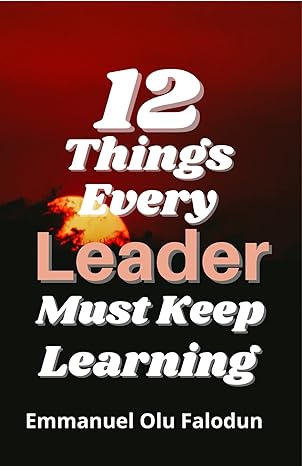
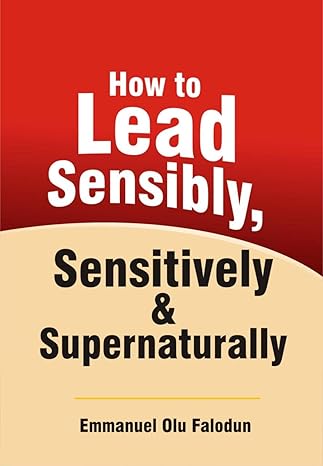
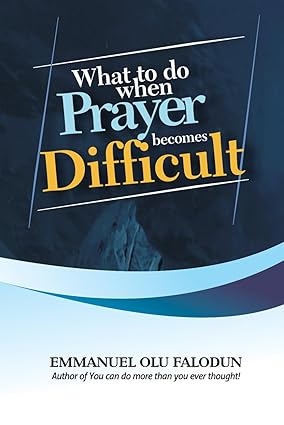
The platform's founder, Emmanuel Olu Falodun, has authored multiple books on leadership, prayer, and youth empowerment — all available on Amazon for members and visitors.
The Top Achievers Radio streams empowerment, faith, and leadership content around the clock. Listen at radio.thetopachievers.org — available on any device, anytime.
Many articles address the deeper questions — purpose, identity, forgiveness, and spiritual growth. The platform takes a holistic view of achievement that goes beyond career success.
Have a story to share, a question, or want to collaborate? We'd love to hear from you. Click the button below or visit the contact page on our website.
Contribute