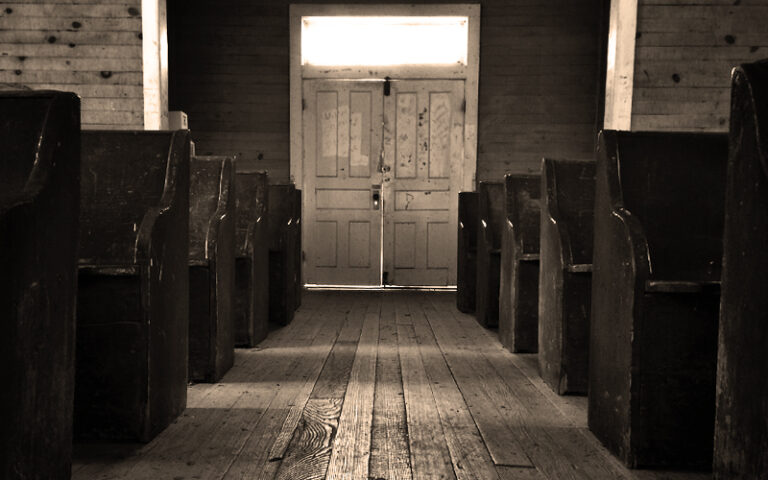

The room was small. The fan had not worked in weeks. By mid-morning, the heat pressed down like a hand on the back of your neck.
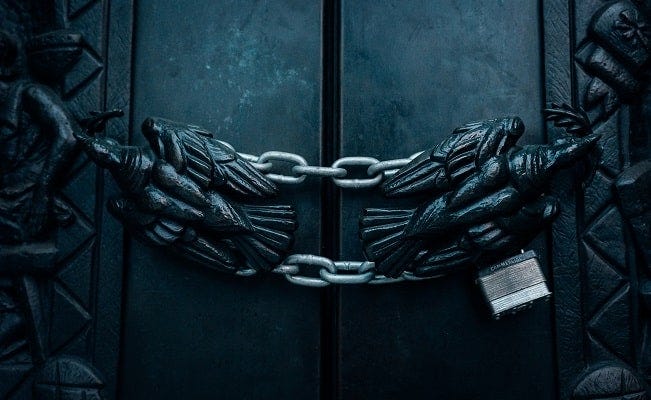
That morning, I woke up to find the door to my room locked from the outside.
Not jammed. Not stuck. Locked. Deliberately.
I banged. I called my younger sister’s phone. Nothing. I texted her husband. Two blue ticks. Silence. Two hours passed before she came, and when she did, she did not open the door. She spoke through the wood, the way people speak in hospital corridors.
“Uncle, please stay inside today. My in-laws are visiting. They are important people. I do not want them asking questions about you.”
Then footsteps. Then nothing.
I was 37 years old. Unemployed. Sleeping on a mat in a Boys’ Quarters that did not belong to me. And the one person who had opened her home to me was now ashamed to confirm I was there.
If you have ever felt completely forgotten by the people closest to you, you will understand what that silence felt like. Not just the silence from outside the door. The one that moves into your chest and sets up residence there.
I had not always been in that room.
A few years earlier, I worked at a commercial bank on the island. I had a car, a rented flat in an estate, and a name that carried weight in my industry. I was not wealthy, but I had something harder to rebuild once it is lost; dignity.
Then a colleague I trusted came to me with an opportunity.
An oil and gas investment. The figures looked solid. The paperwork was convincing. I took a business loan of running into millions of naira and signed my name beside his. Then he disappeared.
With the money. With my trust. With the version of my life I had spent years assembling.
The bank launched an investigation. My suspension came quickly. Then termination. Then a blacklist that shut every familiar door in the industry. People who had called me weekly stopped calling entirely. Birthdays passed without a message from friends who used to mark them.
The lesson I was learning about overcoming shame and poverty was one nobody had warned me about in advance — it does not just hollow out your account, it hollows out your social world.
I moved into my sister’s BQ after my rent ran out. The first weeks were manageable. Then pretty soon the hospitality turned thin and quiet; just the way affection does when it is being rationed.
The kitchen was restricted to me, meals were rationed, fridge was locked, no access to the TV, morning greetings stopped. To make things worse, their children were instructed to keep away from me. Their parents said I was cursed, and I looked just like my problems. I usually prayed aloud at night, however when they asked me to stop I begun whispering. Afterall, I had no where else to go so I had to abide by the ‘rules’.
Alas even whispered prayers did not change how they looked at me.
Now, by the time she locked that door, I had stopped being surprised. I was beginning to understand what deep poverty actually does — it does not only clear your account. It changes the temperature in a room when you walk into it. And if you stay long enough without fighting it, it changes the temperature inside you.
By four in the afternoon, I had not eaten since the previous day. I stood by the window and looked at the street through rusted burglar bars, feeling like a prisoner. Then I did something I had not done genuinely in months.
I prayed.
Not the kind of prayer you recite in a congregation when faith feels manageable. This was the other kind. The bare, finished kind. The prayer of a man who has run completely out of alternatives and is no longer performing for anyone, including himself.
“God,” I said, “I do not even know if You still see me. But if You do — I am tired.”
No sermon. No eloquent petition. Just the truth offered to a ceiling.
I fell asleep on the mat.
The Turning Point
At 7pm, my phone rang. An unknown number. I nearly ignored it. But something said to answer.
“Good evening. Am I speaking with Mr. Tobi?”
Yes, I said.
The woman on the other end began to cry.
She introduced herself as Mrs. Pemisire Oyeniyi. She said she had been searching for me for nearly five years. She said that six years earlier, she had walked into my branch — a widow, no collateral, no connections, two children out of school and a poultry business that had collapsed when her husband died.
She said I had helped her from my own pocket.
“Today,” she said, “I run 2 farms in Ogun State. I have employed over 20 people. God told me I would not sleep until I found the man who saw me when no one else would.”
There are moments when trusting God through financial ruin suddenly makes complete sense — when the long silence breaks and you understand that He was not absent, He was positioning. This was one of those moments.
She asked for my account number.
I sent it with hands that would not stop shaking.
Five minutes later, my phone buzzed. I looked at the screen. I put it down. I looked again.
Two million naira.
The sound that came out of me shook the walls. Seconds later, the locked door flew open. My sister and her husband rushed in. They thought I had snapped.
When they saw the screen, the room went completely quiet.
Her husband reached toward my shoulder and asked “Wetin happen?”
I showed them the phone and said nothing else.
I walked out of that BQ barefooted. I passed the in-laws seated in the main house. They stared. I stepped outside, looked at the sky, and breathed.
That night, I stayed in a hotel. Hot water. A proper meal. Clean sheets.
But I slept on the floor.
I needed to remember exactly where I had been twenty-four hours earlier. Some lessons need to be held close, especially in the first hours of a new season.
First thing on Monday morning, I went to see Mrs. Oyeniyi. She did not just give me money. She handed me a set of keys.
“Three-bedroom bungalow,” she said. “And I need a Chief Operating Officer. Someone with your record and your character. Will you join us?”
In less than a week, I went from a mat in a BQ to a fully furnished three-bedroom bungalow. I bought new clothes, a new phone, and a few other things I always wanted. I also changed my phone number.
But I kept the memory of the mat.
A few months later, I drove back to my sister’s house in my official vehicle. To my utmost surprise the couple came out to welcome me. I walked inside, sat them both down, and placed an envelope on the table. Inside was five hundred thousand naira and a key to a shop.
She looked at me. “After what I did to you?”
“If you had not locked that door,” I told her, “I would not have prayed that kind of prayer. You did not lock me in. You locked the world out so I could finally hear what God had been trying to say.”
We held each other and wept.
I forgave them completely. But I did not move back.
Today, I want you to know that God’s faithfulness does not require anything;
He does not require your family’s agreement before He moves on your behalf.
He does not require your history to be clean.
He does not require your circumstances to make sense.
Sometimes, He allows people to shut a door so you will stop knocking on the wrong one. Sometimes, a locked room is not a punishment. It is a preparation.
If you are reading this from inside a locked room — whether that room is made of debt, of rejection, of grief, or of shame — read this and keep it in mind:
Your door is not locked to imprison you. It is locked to protect the moment that is being prepared for you. The restoration after betrayal that you have been waiting for is closer than it feels from inside four walls.
Do not leave the mat. Stay in prayer. The person searching for your name has already found your number.
The Top Achievers community exists for people in this exact season — men and women rebuilding after the ground has shifted, who need to know they are not walking the road alone irresepective of their circumstances. If this story found you at the right moment, come and join us here.