Helping Students Read the Bible for Themselves
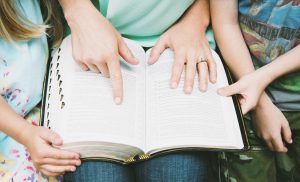
Helping students read the Bible for themselves is one of the greatest gifts a teacher, parent, or mentor can give. When students learn how to open the Bible, read it, and understand it on their own, their faith becomes personal and real. They are no longer depending only on what others say about God’s Word; they begin to hear God for themselves.
Start with the Right Mindset
Many students see the Bible as a difficult or boring book. The first step is to change this mindset. Let them know that the Bible is not just a school text or a church book, it is a message of love, guidance, and hope. Encourage them to approach it with curiosity, not fear. Remind them that it is okay not to understand everything at once.
Choose Simple and Suitable Passages
Students do not need to start with long or complex Bible passages. Begin with short, simple stories and verses, especially from the Gospels, Psalms, or Proverbs. Stories about Jesus, faith, courage, and kindness are easier to relate to daily life. When students can connect the Bible to real experiences, reading becomes more meaningful.
Teach Them How to Read, Not Just What to Read
Instead of always explaining the Bible to students, guide them on how to read it themselves. Teach them to ask simple questions like:
- What is happening in this passage?
- Who is speaking?
- What lesson can I learn from this?
This helps students think while reading and not just rush through the words.
Encourage Questions and Honest Conversations
Students should feel free to ask questions without fear of being judged. Some Bible passages may be confusing, and that is normal. Create a safe space where students can talk openly about what they understand and what they do not. Honest discussions help deepen understanding and build confidence.
Use Simple Language and Real-Life Examples
Avoid using big or complicated religious words when teaching. Use simple language and everyday examples. For instance, when talking about forgiveness, relate it to forgiving a friend or sibling. When students see how Bible lessons apply to real life, the message becomes clearer and easier to remember.
Make Bible Reading a Habit, Not a Burden
Encourage regular Bible reading, even if it is just a few verses a day. It should not feel like punishment or forced work. A short, consistent reading time is better than long, irregular sessions. Over time, students will grow more comfortable and confident with the Bible.
Pray Together Before Reading
A short prayer before reading helps students focus and invites God into the moment. It reminds them that the Bible is not just words on a page but God speaking to His people. Keep the prayer simple and sincere.
Lead by Example
Students learn best by watching others. When they see teachers and adults reading the Bible with interest and respect, they are more likely to do the same. Share your own experiences of how Bible reading has helped you. This makes the process feel real and achievable.
Be Patient and Encouraging
Understanding the Bible is a journey, not a race. Some students will grasp it quickly, while others will take more time. Encourage every effort, no matter how small. Celebrate progress and remind students that growth comes step by step.
When students are supported and encouraged, they begin to see the Bible as a helpful companion for life, not just a book for church or school.